Turning Off Fight Or Flight Response

The fight or flight response is like your body’s personal alarm system. When you’re faced with something stressful or dangerous, this response kicks in to help you tackle or escape the challenge. It’s been a lifesaver for humans since our early days when dealing with predators was a part of daily life. This response is controlled by an area in your brain called the amygdala, which sends signals all over your body to prepare for action.

Originally, this was crucial for survival, helping our ancestors react quickly to threats like wild animals or other dangers in the wild. Today, we don’t need to outrun predators, but our bodies still react to modern stressors like public speaking or a tense work situation just the same. You might notice signs like a racing heart, shallow breath, or sweaty palms when your fight or flight kicks in—these are completely natural.

Things like loud noises, stressful deadlines, or even a heated discussion with a friend can trigger this response. It’s like your body’s way of saying, ‘Hey, something’s up!’ It might not always feel good, but it’s your body’s way of trying to help you out. Knowing your personal triggers can help you understand when and why you’re feeling stressed, which is the first step in managing it.

Techniques to Calm Your Mind and Body

Taming your fight or flight response can be as simple as taking a few deep breaths. When stress hits, your breath gets all shallow. Slow, deep breaths can chill out your nervous system, letting your brain know it’s all good. Try inhaling for four counts, holding for four, then exhaling for four.

Then there’s mindfulness, which is about being present right here, right now. By focusing on the present, you’re not as caught up in stressing about the past or worrying about the future. Something like a few minutes of deep breathing with eyes closed could help you feel calmer and more collected.

Progressive muscle relaxation is another trick up your sleeve. Tense a group of muscles as you breathe in, then relax them as you breathe out. It’s like telling your body to shake off the tension. You’d be amazed how much lighter you can feel afterward.

Don’t forget to move your body. Whether it’s a quick walk or dancing around the house, any physical activity can help use up the adrenaline your body pumped out. Plus, physical movement releases endorphins, making you feel better and more relaxed overall.

Long-term Strategies to Cultivate a Relaxed State

Eating right does wonders for your stress levels. Foods rich in omega-3s, like fish and nuts, keep your brain happy and balanced. Don’t underestimate the power of a good meal to keep stress at bay.

Getting enough sleep isn’t just a nice-to-have, it’s a must. Regular sleep helps your body recover and keeps your mind sharp and calm. Find a routine that works for you, like winding down with a book or some quiet time before bed.

Meditation isn’t just for monks on mountaintops. A few minutes a day can make a real difference. It helps train your brain to handle stress better, giving you more control over those pesky fight or flight moments.

Your friends and family can be your stress-busting squad. Having people around who support you makes it way easier to manage life’s ups and downs. Whether it’s talking things out or just having a laugh together, your social network is a powerful tool.

Anxiety And Motivation

Anxiety can feel like a heavy cloud, but it’s not always about constant worry or fear. Anxiety generally shows up as restlessness, rapid heartbeats, or even a sense of impending doom. Everyone experiences anxiety differently, but recognizing these symptoms is the first step towards understanding it.

Anxiety isn’t just a block to motivation; it can sometimes be a motivating factor. On one hand, excessive anxiety could slow you down and make tasks feel impossible. On the flip side, a little bit of anxiety can push you to prepare better and perform at your best. It’s like a double-edged sword; learning to balance it is crucial.

There’s nothing more grounding than hearing from someone who’s been in your shoes. Many folks manage anxiety while juggling day-to-day life, giving us valuable insights. They reveal how they tackle challenges, push through barriers, and keep moving forward. Sharing these personal stories not only provides comfort, but also inspires a sense of camaraderie.

When anxiety starts to weigh you down, knowing practical strategies for managing it can be a true game-changer. Techniques like Cognitive Behavioral Therapy, mindfulness practices, and small lifestyle tweaks can significantly reduce anxiety levels, which in turn boosts your motivation. Every person is different, so find what works best for you by experimenting with these methods.

While anxiety might sound like something negative, it can actually be harnessed for positive outcomes. Think of entrepreneurs driven by the fear of failure or students motivated by an upcoming exam. These scenarios show how channeling anxiety into specific goals can lead to success. It’s about transforming that nervous energy into a driving force.

Mental health professionals can provide the guidance to transform anxiety into practical motivation. They offer various techniques like exposure therapy or alternative strategies suited to your needs. Having an expert to lean on can make all the difference when trying to harness anxiety constructively.

Real-life examples further illustrate the power of turning anxiety into action. Case studies of individuals who have overcome anxiety to chase after their dreams provide encouragement and practical advice. These stories remind us that success is possible even when anxiety feels all-consuming.

Sometimes anxiety doesn’t go away with self-help tips. Professional support becomes necessary when it starts affecting everyday life and personal well-being. Many resources are available, from therapy to support groups, and making use of them can ease the journey of managing anxiety. Seeking help isn’t just okay, it’s often the best step towards a brighter, more motivated future.

Anxiety And Tiredness

Kicking things off, anxiety is more than just a feeling of unease or worry. It’s a legitimate mental health condition that can throw a wrench into your daily life. When anxiety hits, it messes with both your head and your body, and fatigue is one sneaky sidekick that often tags along.

Now, fatigue isn’t just being a bit tired after a long day. We’re talking about a level of exhaustion where even small tasks feel like climbing a mountain. It can be both mental and physical. When you’re mentally worn out, concentrating on anything becomes a Herculean task. Physically, it’s like your muscles are running on empty.

But what’s the connection between anxiety and fatigue? Here’s the scoop. When you’re anxious, your body kicks into overdrive, producing stress hormones like cortisol. This response is initially supposed to help you in the fight-or-flight situation, but when cranked up constantly, it drains your energy, leaving you feeling like a deflated balloon.

Science offers us some juicy insights, too. Experts have found that anxiety can trigger a cycle of stress and restlessness that’s hard to break. This leads to disrupted sleep, making it harder for the body to recuperate and piling on the fatigue. It’s like trying to charge a phone with a frayed cord—it never quite gets the juice it needs.

Being aware of how anxiety and fatigue interconnect is a stepping stone to tackling them. When you know what you’re up against, you can arm yourself with strategies and solutions to tackle the fatigue monster that anxiety brings along.

Can Anxiety Cause Fatigue and Muscle Weakness?

When anxiety comes knocking, it’s not just mental turbulence you deal with. Your body feels it too. Fatigue is a biggie, and it’s crazy how it sneaks up like an uninvited guest. It’s as if anxiety flips the switch on your body’s stress response, leaving you drained of all energy.

The way it works is pretty wild. Your adrenal glands start releasing hormones like cortisol and adrenaline. These are supposed to help you tackle stress, but when they’re on overdrive, your energy gets zapped. That’s where fatigue comes into play, like a silent partner adding weights to every limb.

And speaking of limbs, yes, anxiety can cause muscle weakness. Those feelings of shaky legs or wobbly arms? All part of the deal. Your muscles tense up during stressful situations, which can leave them feeling tapped out when adrenaline levels subside. It’s not just that you’re tired; your muscles literally feel less sturdy.

It’s worth keeping an eye out for these physical symptoms as they can pop up even if you think your mind’s handling the anxiety okay. Understanding this mind-body connection can help in finding ways to manage the muscle tension and fatigue, making it easier to function day-to-day.

Knowing the direct impact anxiety has on your body gives you a heads-up to take action. Relaxation techniques, like deep breathing or yoga, can help ease muscle tension. Also, try finding what works best for you—everyone’s different, and it’s all about finding that balance so your muscles remember who’s boss.

Long-Term Stress and the Exhaustion it Brings

Constant stress isn’t just a mental chain, but a full-blown body ambush. Chronic anxiety keeps your stress response switched on like a never-ending alarm. Every muscle, nerve, and cell wears down, resulting in an exhaustion so deep, getting out of bed feels like an Olympic sport.

It’s a no-brainer that relentless stress makes you tired, but the long-term effects are often underestimated. Chronic stress messes with your sleep, nutrition, and even your immune system, weakening your defenses against daily life challenges.

Living with long-term anxiety isn’t merely uncomfortable—it starts showing up in every part of your health routine. You might find it tougher to concentrate, affects your appetite, or your social calendar starts draining you faster than usual.

Science backs this up, highlighting how stress impacts the body’s ability to maintain energy levels efficiently. While your body adapts to stress in many ways, constant exposure means your systems are always in overdrive, ultimately leaving you more tired and less capable of handling even minor stressors.

If this sounds familiar, paying attention to stress management is crucial. Building a toolkit with strategies like deep breathing exercises, maintaining a regular sleep schedule, or even engaging in social activities you enjoy can make a significant difference. Picking up these habits can cut through the haze of anxiety, offering reprieve from the relentless fatigue it drags along.

The Mechanics of Anxiety-Induced Tiredness

When you run on dread and stress, your brain can’t catch a break. Anxiety shakes up your neurochemistry, knocking things off balance. Imagine trying to focus when your mind’s juggling a thousand tabs at once—that’s anxiety working. This chaotic mental scene eventually drains your energy, leaving you bone-tired.

Sleep disturbance is another sucker punch from anxiety. It’s like your brain flips the script on sleep, switching it from a time to recharge into another round of restless tossing and turning. As worry hijacks your nightly routine, your body’s recovery system gets benched and fatigue hits the winning goal.

So why exactly does anxiety make you feel like you’ve been steamrolled? The brain is a complex machine, and when it’s stressed, it releases a flood of hormones meant for short bursts of activity, not a continuous loop. Over time, this starts to wear out your “batteries,” making that daily energy level plummet.

Breaking this cycle sounds tough, but small steps add up. Start with mindfulness or basic breathing exercises—they’re nifty tools to start calming the turbulent whirlwind in your brain. Your goal isn’t to shut off anxiety but to tune down its effects, letting your brain and body sync up for better recovery.

Consider reaching out to a professional who can offer tailored advice. They’re whizzes at helping you understand your anxiety triggers and can introduce more ways to manage stress and fatigue. It’s about devising a plan that fits seamlessly into your lifestyle, supporting you in tackling that exhaustion you’ve been juggling.

Coping Strategies for Managing Anxiety and Tiredness

Boosting your daily energy and managing that pesky anxiety is totally doable with a few lifestyle tweaks. First up, focus on getting your day on track with a consistent sleep routine. Make your bedroom your sanctuary—think comfy pillows, cozy lighting, and no screen time before bed. This helps signal to your brain that it’s time to wind down, preparing your body for a good night’s sleep.

Speaking of winding down, exercise plays a key role in regulating both anxiety and tiredness. It doesn’t have to be intense—simple walks, yoga, or even dancing like no one’s watching counts. The trick is to get those feel-good endorphins flowing, boosting your mood and energy levels.

Diving into the mental side, Cognitive Behavioral Therapy (CBT) is one method that packs a punch. It helps nip those negative thought spirals in the bud, teaching your brain to handle stress in a healthier way. Mindfulness and meditation are also great for carving out a peaceful mental space where anxiety doesn’t get to run the show.

Don’t forget nutrition—your brain and body need the right fuel to function at peak performance. Regular, balanced meals packed with fruits, veggies, and proteins are key. It’s like giving your body’s own support team a little bonus.

Staying socially connected has big perks too. Whether it’s calling a friend, joining a club, or volunteering, these interactions keep your spirits lifted. Sharing experiences and laughter is a great stress buster, giving you fresh perspectives and reinforcing that you’re never in it alone.

Remember, tackling anxiety and fatigue is all about balance and addressing both mental and physical well-being. Take small, steady steps towards building these habits into your routine and you’ll notice a palpable shift in how you feel each day.

How a pet can help with anxiety and depression

I have been an animal lover my whole life. I have had cats and dogs since way back. I have a cat on my lap while I’m writing this. I love my pets and so do many others. My mind can play tricks on me such as how will I pay for them if they get sick or injured? My cat or dog is acting strange today, what will I do? If I lose my job or health what will happen to them? These are important concerns but do they need to rule my mind? So many cats and dogs are looking for a good home, every local shelter has some of the best adoptable cats and dogs, check out aspca.org. You can find your buddy here and they will find you. We gave a 7 year old dog who was injured when we adopted her, 7 good years, she died ay 14 years old, I often think of how this dog’s life would have been different if we did not adopt her. A dog or a cat has a unique way of connecting with us, they show us love no matter how we feel, even on a bad day, they can cheer us up. Our pets can ease our anxiety by reducing the stress hormone(cortisol) and increasing the feel good chemicals such as oxytocin. Pets can also ground you in the moment. Dogs can encourage physical activity such as taking them for walks and playing with them. If you are lonely and full of anxiety and or depression, look into getting a new pet, you both will benefit.

ADHD And Anxiety

Let’s break down those four letters: ADHD stands for Attention Deficit Hyperactivity Disorder. It’s one of those terms that gets tossed around a lot, but what does it really mean? At its core, ADHD is a neurodevelopmental disorder. This means it impacts how someone’s brain develops and functions, particularly in areas like attention, impulse control, and activity levels.

Ever wonder why ADHD isn’t just about bouncing off the walls? The reality is ADHD shows up in more ways than just hyperactivity. It includes inattentive traits, like being easily distracted or forgetful, and impulsive behaviors, such as acting without thinking. That’s why you’ll hear about different types, like the inattentive type or the combined presentation.

A common mistake is lumping ADHD with other issues. It’s crucial to know that while ADHD shares symptoms with disorders like anxiety or depression, they’re distinct conditions with their own unique characteristics. Recognizing these differences helps in understanding why someone with ADHD might struggle in unique ways or require specific treatments.

But why label it at all? Seeing ADHD as more than just a set of symptoms means acknowledging the impact it has on everyday life. School or work can get tricky when concentration is a constant battle, but with awareness and the right tools, people with ADHD can thrive. It’s all about understanding that ADHD is a complex, multi-faceted part of life that goes way beyond just the hyperactive label.

Spotlight on Symptoms: Unpacking ADHD

Understanding ADHD often begins with recognizing its symptoms. ADHD doesn’t have a one-size-fits-all symptom profile. Instead, it presents a mix of behaviors that might not all show up in every individual. The nine hallmark symptoms can be broadly grouped into inattentive and hyperactive-impulsive categories.

Inattentive symptoms grab a front seat in many cases. People might tune out during conversations, misplace things regularly, or struggle to follow detailed instructions. This isn’t laziness; the brain just processes information differently, making focus a tricky endeavor.

Hyperactivity and impulsivity often get more attention in ADHD discussions. These behaviors might manifest as constant fidgeting, interrupting others, or an inability to stay seated. While these traits can indeed cause disruptions, they’re not the whole story of ADHD.

Here’s the kicker: ADHD symptoms don’t look the same across all ages and genders. Kids might visibly bounce off the walls, adults could struggle silently with forgetfulness, and women might find their inattentiveness masked by coping strategies like intense organization.

Living with these symptoms can influence almost all aspects of daily life—from school performance to personal relationships. Recognizing the signs early is key to better managing them and avoiding the frustration that can come from misunderstanding or mislabeling behaviors.

Understanding the mix of symptoms helps break down the stigmas often tied to ADHD. Acknowledging that ADHD’s symptoms vary not just by individual but also across different environments can lead to more empathy and support.

It’s clear that knowing the nuances of ADHD symptoms is critical. This requires an ongoing effort to observe, understand, and accommodate these behaviors in ways that play to strengths and support challenges. So, keep learning and adapting to get along this path.

The Interplay of ADHD and Anxiety: A Close Connection

ADHD and anxiety often go hand-in-hand, creating a challenging pairing for many who experience both. But why is this duo so common? Well, ADHD’s symptoms, such as difficulty in maintaining focus and impulse control, can naturally lead to anxiety. Imagine constantly worrying about missing deadlines or forgetting important tasks—enough to make anyone anxious, right?

Having both conditions can make day-to-day activities feel overwhelming. When you add anxiety into the mix, the pressure to manage expectations, both internal and external, intensifies. It’s like your brain is on overdrive, scrambling to keep up but always feeling a step behind.

An important aspect to consider is the lack of understanding surrounding these co-existing conditions. Misinterpretations can lead to stigma or self-doubt. When people with ADHD get anxious, they might seem to others as simply disorganized or inattentive. Addressing these misconceptions is key to providing effective support.

Managing anxiety when dealing with ADHD involves practical strategies and tools. Cognitive Behavioral Therapy (CBT) and mindfulness might help in calming racing thoughts, while structured organizational systems can ease the chaos. Developing a routine that incorporates breaks and stress-relieving activities can also make a significant difference.

The road might seem long and winding, but recognizing the relationship between anxiety and ADHD is the first step in managing them both. Building a toolkit of strategies tailored to individual needs can make navigating these intertwined challenges a more manageable task. With patience and the right support, finding balance is possible.

Navigating Life with ADHD: Adult Behaviors and Challenges

Adult ADHD is often misunderstood, especially since its symptoms take on a unique flavor compared to childhood presentations. Picture this: an adult grappling with deadlines, constant forgetfulness, or zoning out at critical meetings. These behaviors can complicate professional and personal spaces and may seem like careless mistakes, but they’re part of the ADHD experience.

In the workplace, these traits challenge productivity and communication. Adults with ADHD might struggle with organization, time management, or prioritizing tasks. This makes balancing job duties a real test of patience and resilience. It’s not just about managing tasks, but also understanding how to work with one’s strengths and recognizing areas needing support.

Relationships add another layer of complexity. Impulsivity can lead to misunderstandings, and inattentiveness might seem like a lack of interest. Being upfront about these challenges with friends and family helps. Creating systems of understanding and patience can fortify connections, making them more resilient to the quirks ADHD brings.

Social interactions for adults with ADHD often require extra effort, where they need to navigate conversations without interrupting or forgetting key points. These dynamics can lead to frustration and impact self-esteem, but awareness and strategies like taking deep breaths before speaking can help manage these hurdles.

Finding tools that adapt to your lifestyle is crucial. Apps for reminders, planners for structuring days, and visual cues can steer focus back on track. Such aids aren’t shortcuts but forms of support that make life flow smoother, accommodating the ADHD brain at any stage of adulthood.

Open dialogues about ADHD can chip away the misunderstandings and build a culture of empathy and awareness. With the world becoming more understanding of neurodiversity, adults with ADHD can start feeling more at ease being their authentic selves without the constant anxiety of societal judgment.

Treatment Approaches: Managing ADHD Effectively

Treating ADHD isn’t a one-size-fits-all situation. It’s more of a spectrum where options range from traditional to innovative methods, offering something that can work for each individual. Finding the right strategy might take some testing and adjustments, but it’s definitely worth the effort.

Medication often comes up as a first-line treatment for ADHD, with stimulants like Ritalin or Adderall frequently prescribed. These drugs help increase focus and control impulsivity by tweaking neurotransmitter levels in the brain. For those who can’t or prefer not to use stimulants, non-stimulant medications might be a suitable option. They provide the benefits without the stimulating side effects.

Beyond medicine, there’s a world of therapy. Psychotherapy, including Cognitive Behavioral Therapy (CBT), is increasingly popular among adults managing ADHD. It offers tools to address negative thought patterns and behaviors tied to attention challenges, aiming to shift habits in more productive directions.

Behavioral therapies go hand in hand with coaching or counseling. They focus on developing specific skills needed for organizing tasks, managing time effectively, and setting achievable goals. These approaches emphasize practical solutions that align with everyday situations.

Technology also plays a role in ADHD treatment. A growing number of apps provide reminders, planning help, and focus-building exercises. These digital tools act as pocket-sized assistants to help keep life organized and on track. They can be particularly handy for people who thrive on technology and interactive solutions.

Ultimately, what’s important is finding a treatment plan that not only addresses the symptoms but also fits seamlessly into one’s lifestyle. Flexibility and adaptability are key, ensuring that treatments evolve with personal needs and changes in circumstances. Always worth remembering: It’s okay to seek help and ask questions to tailor the best path forward.

Building a supportive network of healthcare professionals, friends, and family makes a significant difference. This circle can provide encouragement, empathy, and guidance through the ups and downs of managing ADHD. It’s a journey made easier by not having to travel it alone. Online Therapy can help


Rule of Thumb: The 24 Hour Rule for Adjusting ADHD Routines

The 24 hour rule is an intriguing piece of the ADHD puzzle, offering a structure that leans into the brain’s natural rhythms. It’s about creating a consistent daily pattern that helps harness focus and energy effectively, building a predictable environment that can ease some chaos of ADHD.

Think of it as setting a 24-hour circuit – wake-up time, meals, work sessions, and relaxation are all on a repeat cycle. Anchoring activities to specific times each day cuts down on decision fatigue and the overwhelm often tied to transitioning between tasks.

Routine isn’t about boxing life into a rigid schedule. Instead, it provides a reliable framework where you have room to flex and adapt while still hitting key activities. This consistency helps reduce anxiety because there’s less uncertainty about what’s coming next.

Using alarms or smart home devices can complement this rule by gently reminding you of transitions throughout the day. This way, you’re not relying solely on memory (which can be tricky for anyone with ADHD) to keep the flow going.

It’s important to personalize this 24-hour pattern to suit your individual peaks and dips in energy levels. Some people thrive in the morning, others come alive in the evening – figuring this out helps in arranging high-focus tasks when you’re most alert.

Implementing the 24-hour rule requires patience and persistence, but the payoff can be a smoother, more manageable daily life. Not every day will be perfect, but having a foundational routine to fall back on helps in riding the tides of unpredictability.

Incorporating breaks and downtime is crucial in making this approach sustainable. Allow yourself flexibility within the routine, ensuring it remains supportive rather than stifling. Remember, it’s about finding a rhythm that complements your lifestyle.

ADHD’s Impact: A Closer Look at the Personal Experience

The experience of living with ADHD is as unique as the individuals themselves, turning everyday moments into a series of peaks and valleys filled with creativity and challenges. It’s more than a collection of symptoms; it’s a way of life that influences self-perception and personal interactions.

People with ADHD often relate to the feeling of their life playing out in fast-forward, with thoughts and ideas racing at breakneck speed. This constant mental activity can inspire creativity and innovation, a powerful asset when harnessed effectively. However, when it’s paired with impulsive decisions or forgetfulness, it might create obstacles that can be hard to navigate.

Self-esteem can take a hit, given these ongoing struggles with focus and follow-through. Feeling different or misunderstood in various settings can build frustration, but understanding these experiences is key to forging paths around these mental roadblocks.

For many, motivation doesn’t come from traditional reward systems. Motivation often grows out of passion, novelty, and a desire to challenge the norm. This non-linear motivation can lead to bursts of productivity and creativity, often showcasing untapped potentials waiting to be explored.

Education and increased awareness are powerful allies in managing the personal impact of ADHD. Without these, people tend to focus on their limitations rather than strengths. Encouraging an environment where strengths are recognized and celebrated can help flip the narrative to a more positive stance.

In the grand scheme of things, ADHD adds layers of complexity to life. Understanding these layers can lead to a richer, more rounded perspective on what it means to live with ADHD. With the right support, adaptations, and an embracing environment, people with ADHD can thrive and contribute uniquely to those around them.

It’s not just about managing difficulties; it’s about owning the journey and appreciating the unique viewpoint that ADHD brings. By collaborating with supportive communities, individuals can transform potential challenges into strengths, rewriting the script from struggle to success.

Here’s a little transparency: Our website contains affiliate links. This means if you click and make a purchase, we may receive a small commission. Don’t worry, there’s no extra cost to you. It’s a simple way you can support our mission to bring you quality content.


Health Anxiety Our Own And For Loved Ones

Health anxiety often gets misunderstood or dismissed. It’s not just about being a little more concerned than necessary about your health. It can be a persistent, overwhelming fear of having a serious medical condition. This fear can impact daily life in ways many don’t realize, from constantly checking symptoms online to avoiding certain activities in fear they might lead to illness.

Contrary to popular belief, health anxiety isn’t rare. In a world where we have immediate access to information about every little symptom thanks to the internet, our minds can often wander into dark places. This information overload can amplify even the smallest concern into a full-blown anxiety episode, affecting not only the person experiencing it but also their loved ones.

Living with health anxiety affects more than just your mental state. It can creep into physical wellbeing too. Constant worry can lead to stress-related symptoms like headaches, digestive issues, or trouble sleeping. It becomes a cycle where the worry leads to symptoms, which in turn fuels more worry.

Breaking free from this pattern starts with understanding it better. Recognizing that health anxiety is common and realizing how it intertwines with everyday life is a step towards managing it effectively. It opens up opportunities to explore methods that can help reduce this anxiety, leading to a healthier and more balanced life.

Root Causes: Unpacking the Origins of Health Anxiety

Understanding where health anxiety comes from can be the first stepping stone to dealing with it effectively. Often, it’s not just one thing but a combination of several factors coming together.

Genetics might play a role. If close family members have struggled with anxiety or other mental health issues, there might be a genetic predisposition. It’s like inheriting a tendency to worry unnecessarily about health matters.

How we’re raised also plays into it. If we grew up in an environment where health was a constant topic of worry or if there was an overemphasis on health conditions, this can shape how we perceive health threats later in life.

Sometimes, particular events trigger health anxiety. High-stress situations, personal trauma, or even a significant health scare can lead to increased health-related worry. The mind starts correlating these events with constant threat, even when there’s none.

From a psychological standpoint, the way we think influences how we feel. Cognitive Behavioral Theory suggests that negative thinking patterns can lead to anxiety. Once you’re aware of these thought patterns, they can be challenged and changed.

Recognizing the roots of health anxiety can help in formulating a plan to address it. Whether it’s through self-reflection, therapy, or both, understanding these causes provides a clearer path to tackling anxiety. It all starts with recognizing that health anxiety is influenced by numerous factors and not something to face alone.

Self-help Strategies: Addressing Your Health Concerns

Taking steps to manage health anxiety on your own can seem daunting, but there are practical methods to help ease the worries. One of the most effective self-help strategies is mindfulness. Practicing mindfulness and meditation can anchor your thoughts, keeping anxious thoughts from spiraling out of control.

Cognitive strategies are also powerful. Reframing is about challenging negative thoughts and viewing situations from a more balanced perspective. When that nagging worry about your health starts, ask yourself: is there clear evidence for this thought? Sometimes, seeing your thoughts on paper through journaling can open up new insights.

Information overload can be a significant trigger for health anxiety. Limit the time you spend searching online for health symptoms. While it’s tempting to look up every little concern, often it leads to conclusions that cause more stress than assurance.

Tracking these thoughts and feelings is a simple yet effective tool. Journal entries about when you feel certain ways can reveal patterns. Maybe you notice that certain activities or times of day ramp up your anxiety. Understanding these triggers is key to minimizing their impact.

Small changes can have a big effect. Strategies like these give you some control over your anxiety, lightening the mental load. Managing health anxiety doesn’t happen overnight, but with these strategies, it becomes a journey you can navigate with greater ease.

Pharmacological Options: When Is Medication Appropriate?

When health anxiety becomes overwhelming despite self-help efforts, medication might be a viable option. Medications like Selective Serotonin Reuptake Inhibitors (SSRIs) or Serotonin-Norepinephrine Reuptake Inhibitors (SNRIs) are commonly prescribed. They can help regulate the brain chemicals linked to anxiety, offering relief from persistent worry.

Deciding to use medication isn’t something to take lightly. It’s essential to be aware of when anxiety starts to impede your everyday functioning, such as impacting work, relationships, or sleep. If reaching this point, talking to a healthcare professional is crucial.

Medication often works best when paired with therapy. While meds can alleviate symptoms, therapy addresses the underlying thought patterns. Cognitive Behavioral Therapy (CBT) is particularly effective in treating health anxiety, offering long-term management strategies.

Being informed about potential side effects is important. No medication is without them, but with professional guidance, risks can be managed. Regular consultations with a doctor ensure the treatment remains effective and adjustments are made as needed.

Knowing when to turn to medication is a personal decision but having options provides hope. For many, it paves the way to a more stable and anxiety-free life, especially when combined with therapeutic approaches.

Managing Intrusive Thoughts: How to Stop Overthinking

Taking control of intrusive thoughts can seem challenging, especially when dealing with health anxiety. Key to this is breaking the cycle of rumination—the constant rehashing of negative thoughts that fuels anxiety. Catching yourself when these thoughts start and consciously shifting focus to something else can help.

Distraction might sound simple, but it’s incredibly effective. Engaging in activities that demand full attention, like a hobby or physical exercise, pulls the mind away from health worries. It creates a space where anxiety isn’t the center stage.

Mind-body practices like yoga or Tai Chi can also be beneficial. These activities combine movement with breath control, promoting relaxation and mindfulness. They’re an excellent choice for calming both the mind and body simultaneously.

Another approach is building perspective. Regularly reminding yourself that not every thought is a reflection of reality can alter how you interpret symptoms and worries. Recognizing patterns in how you think about your health allows for a reset, encouraging healthier habits and reducing anxiety.

Navigating through these thoughts becomes easier with practice. It won’t be an immediate fix, but over time, changing how you approach anxiety-related thoughts can lead to significant improvements in how frequently and intensely you experience them.

Supporting a Loved One with Health Anxiety

Living with someone who has health anxiety can be stressful and confusing, especially if you’re unsure about how to help. One of the first things to look for are signs of health anxiety. Constantly talking about health worries, frequently visiting doctors without reassurance, or avoiding specific activities out of fear might indicate this anxiety.

Offering the right kind of support requires delicate balance. Be an active listener and validate their feelings without necessarily agreeing with them. Statements like ‘I understand you’re worried, and it’s okay to feel that way,’ can be reassuring rather than dismissive.

It’s important to avoid enabling behaviors, like constantly offering reassurance or validating each fear. Instead, guide them gently towards professional help if their anxiety persists. Encourage them to see a therapist or join a support group.

Creating a supportive environment helps. Encourage engaging in relaxation techniques together, or attend a mindfulness class. Doing so can show solidarity, helping them feel less isolated in their struggles.

Supporting someone with health anxiety means being patient and compassionate, understanding that recovery can take time. Encouraging a proactive approach towards managing their anxiety enables them to regain control over their life.

Pathways to Recovery: Creating a New Narrative

Recovery from health anxiety involves creating a more balanced relationship with your health. Building a strong support system—friends, family, or support groups—plays a pivotal role. These individuals provide encouragement and understanding, making the journey less isolating.

Identifying personal triggers allows for more effective management. Recognizing what sets off health anxiety helps in developing strategies to avoid or cope with these triggers. Maybe it’s certain news outlets or specific foods that need to be addressed to lessen their impact.

Setting long-term goals is crucial for continued progress. These goals might include reducing time spent on health-related searches or increasing social engagements. Small, gradual changes contribute to significant improvements, helping to maintain a more stable mental state.

Celebrating victories, no matter how minor they seem, boosts morale and builds resilience. Acknowledging every step forwards fosters a positive mindset. This positivity is essential in rewiring the brain to handle stress and anxiety better in the future.

Creating a new narrative for your health involves patience and determination. But each step forward reinforces your ability to manage health anxiety, leading you toward a healthier, more balanced life.

Anxiety And Money

Money can be a huge source of stress, and it’s something that many of us deal with daily. Financial anxiety isn’t just about not having enough money; it involves a range of worries about managing bills, debts, savings, and even future financial security. This kind of anxiety can make you feel stuck and overwhelmed, affecting your mental health and overall quality of life. Check out 5 techniques to help with anxiety attacks

Money plays a crucial role in our lives, yet it often feels like an unpredictable burden. You might find yourself losing sleep over financial issues, experiencing mood swings, or even having trouble focusing at work because financial worries are hovering over everything you do. Understanding that financial anxiety is very common, affecting people of all wealth levels, is a crucial first step.

It’s important to recognize that money is both essential and complex. It’s not just a medium for transactions but a symbol of our goals, achievements, and, sometimes, fears. For many, financial security represents freedom and stability, while for others, it feels like a constantly moving target.

Why Do We Fear Money? Uncovering Deep-Rooted Beliefs

Our fears about money often start long before we even have our own to manage. Society and culture shape our views on wealth, frequently painting it as either a symbol of success or a source of greed. These narratives can create a paralyzing fear of both having too little and having too much.

Many of the myths around money come from the messages absorbed from family, friends, and media. They might suggest that talking about money is taboo or that financial success is the ultimate measure of worth. Such beliefs can instill a fear of failure or judgment, making financial decisions feel overwhelming.

It’s not just external influences at play; personal experiences can deeply impact money-related anxiety. Early encounters with financial instability or trauma can result in an ingrained fear of economic uncertainty. Even positive experiences can set a high benchmark, leading to pressure to maintain a certain lifestyle.

Understanding these fears is crucial not just for easing anxiety, but also for empowering yourself to make healthier financial choices. Reflect on your thoughts and feelings about money, explore where they come from, and consider how they affect your behavior today. Identifying these patterns is the first step towards breaking free from them.

Overcoming the Paralysis: Techniques to Calm Financial Anxiety

When money worries start to take over, it’s key to find effective ways to soothe that anxiety and get things done. Mindfulness is a powerful tool in the anxiety-busting toolkit. Simple practices like deep breathing or meditation can calm your mind and help you focus on the task at hand.

Breaking tasks down into bite-sized pieces can transform a mountain of financial tasks into manageable steps. This approach reduces the feeling of being overwhelmed and helps maintain forward momentum. Tackling one small task at a time, whether it’s reviewing a single bill or saving a little extra cash, can build confidence and keep stress in check.

Setting realistic goals is another way to combat financial anxiety. Goals provide direction and a sense of achievement, which can be motivating. Keep these goals attainable and time-bound to maintain a steady pace without adding additional pressure.

Don’t forget the value of support. Whether it’s reaching out to friends and family or joining a community group focused on financial planning, having someone to talk to can make a big difference. Sharing experiences and seeking advice can often provide fresh perspectives and reassurance.

Mastering Your Finances: How to Create a Budget You Can Stick To

Crafting a budget might seem daunting at first, but it’s a key step in managing financial anxiety. A good budget doesn’t just keep your spending in check; it also gives you a clearer picture of where your money goes and helps plan for future expenses.

Start by listing your monthly income and all of your expenses, from rent and utilities to that daily coffee. Categorizing expenses as either fixed or variable can help you recognize areas where you might be able to cut back.

Once you’ve got the basics, setting a realistic spending limit for each category helps in keeping track without feeling restricted. Remember, a budget is there to serve you, not the other way around. It’s okay to adjust the figures as your financial situation or priorities change.

Using apps or spreadsheets can simplify the budgeting process and help track your spending effortlessly. Tools like Mint or YNAB (You Need A Budget) are popular options that make money management easier.

Besides the numbers, attitudes toward budgeting also matter. View it as a pathway to financial freedom rather than confinement. This positive mindset can make sticking to your budget more rewarding than stressful.

Dealing with the Anxiety of Money Management

Feeling stressed about money is normal, but it’s important to pinpoint what’s triggering this stress. It might be a fear of checking the bank account, uncertainty about meeting bills, or the daunting task of looming debt. Recognizing these triggers is the first step towards addressing them.

With the sources identified, it’s time to explore coping mechanisms. Writing things down can help make them feel less overwhelming. Keeping a financial journal where you note down worries and track spending can provide perspective and establish a sense of control.

Financial worries can often blow things out of proportion. Talking about money fears with someone you trust might provide emotional relief and often leads to practical solutions you hadn’t considered.

Implementing some routine can also prove beneficial. Dedicating a specific day or time each week to review finances takes away uncertainties, as you know when you will tackle the monetary aspects, leaving other times free from financial stress.

Learning from others who have faced similar challenges and found ways through them can be encouraging. Whether through online forums, books, or workshops, hearing stories of overcoming money-related anxiety shines a light on the various paths one can take to find financial peace.

Strategies for Increasing Your Income: Earning More to Ease Financial Worries

Boosting your income can significantly relieve financial stress, and there are plenty of options to explore. Traditional methods like asking for a raise or hunting for a higher-paying job might be more straightforward than they seem. Demonstrating your value and having a clear idea of your worth can make these pursuits more successful.

Side hustles offer flexibility and can be a fun way to earn extra cash. Freelancing, tutoring, or turning a hobby into a money-making venture are all viable options. There are online affiliate programs to teach you how to make money through affiliate marketing, check it out here Wealthy Affiliate  . The gig economy has opened doors to diverse income streams that fit into various schedules and lifestyles.

Passive income is another path worth exploring. Investing in stocks, rental properties, or creating digital products like e-books that sell on autopilot can generate additional revenue without a continuous active effort. It’s about putting in work upfront for future gains.

Success stories from individuals who have increased their income through creative means can be a great motivator. These stories provide proof that with some drive and creativity, there are always opportunities to earn more.

Research and continuous learning are crucial. The more knowledgeable you are about options and trends in earning money, the better positioned you are to seize opportunities as they arise. Staying informed helps you adapt and thrive in ever-changing economic landscapes.

Building a Healthier Relationship with Money for Future Peace

A healthier relationship with money starts with financial education. Understanding the basics of personal finance, like how savings accounts work or what interest rates mean, lays a solid foundation. With this knowledge, money becomes less mysterious and more manageable.

Financial resilience is about preparing for the unexpected. Setting up an emergency fund and having a diversified financial portfolio can protect against sudden expenses or shifts in income. These steps are crucial to maintaining stability and reducing anxiety in the long run.

Developing emotional intelligence related to finances can also be transformative. Recognizing and managing emotions around spending, saving, and investing allows for more rational and less reactionary financial decisions.

Setting long-term goals helps direct financial efforts in meaningful ways. Whether the aim is home ownership, travel, or starting a business, clear goals provide motivation and a sense of direction. This focus can make day-to-day financial decisions easier and more aligned with your overall vision.

Seeking advice from professionals like financial advisors can provide personalized strategies and insights. Their guidance can uncover new opportunities and help navigate complex financial landscapes, ensuring you stay on track.

By implementing these strategies and fostering a healthier perspective, financial peace becomes more attainable, offering not just freedom from anxiety but also the ability to enjoy life without monetary worries weighing you down.

However, if you are paralyzed with anxiety and fear, you may need some help, or therapy.  Online Therapy  is always available. Any help you need can be done online.

Here’s a little transparency: Our website contains affiliate links. This means if you click and make a purchase, we may receive a small commission. Don’t worry, there’s no extra cost to you. It’s a simple way you can support our mission to bring you quality content.
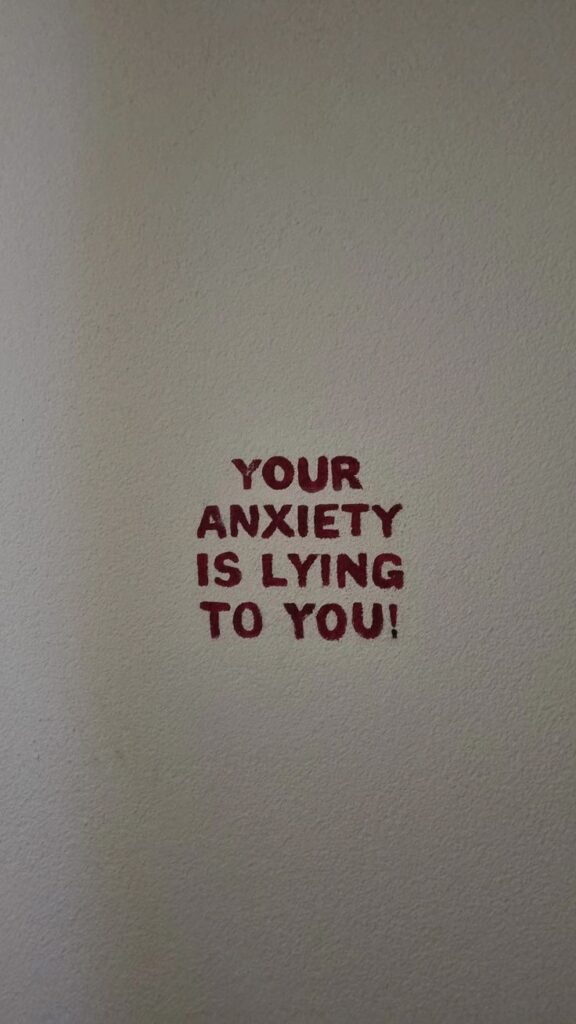
Anxiety And Depression A Vicious Cycle

Ok, so you’ve got anxiety and depression. They’re kinda like that odd couple you see in sitcoms. Always bickering but somehow together. Let’s get real about what they are and how they end up in this nasty feedback loop.

Anxiety’s all about that constant rush of worry. Heart racing, thoughts flipping like a pancake. Then you’ve got depression, pulling you down, making you feel like you’re wading through molasses just to get out of bed. Now, it’s tempting to see them as separate beasts, but they run in the same circles more often than you’d think.

The overlap can get wild. Fatigue, concentration issues, irritability – these can pop up with either or both. You might be stressing over a social event (hello, anxiety) while also feeling zero motivation to even go (hey there, depression!). It’s like your brain’s caught in a tug-of-war with no winner.

Science backs this up. Experts have found neural pathways where anxiety and depression tag-team your mental health. It’s like a miscommunication between your brain’s alarm system and your mood regulation. The constant alarm keeps ringing, dragging your mood down bit by bit.

Researchers have been on the case too, running tests and observing the patterns. Correlation doesn’t mean causation, yeah, but when these two start a party in your head, it feels like both. Ever read those studies or had a chat with a mental health pro? They’ll tell you: this isn’t just a phase. It’s a cycle that’s got serious momentum.

The Vicious Cycle: How Symptoms of One Can Worsen the Other

Anxiety and depression aren’t just hanging out. They’re like frenemies, each making the other’s symptoms ramp up. Picture this: you’re worried about everything, thanks to anxiety, and now you’re so stressed you can’t focus on anything else. That constant worry starts to seep into your mood, dragging you down. It’s like anxiety rolled out the red carpet for depression.

Depression doesn’t just sit back, though. It steps in with its own bag of tricks, knocking your energy and motivation levels to the floor. You start avoiding things, maybe even people, because you’re too drained to care. But guess what? Avoidance is anxiety’s BFF, feeding right into that cycle where worries keep growing.

Experts have mapped out how this works. Anxiety ramps up your fight-or-flight response, while depression can mess with your body’s stress hormones. Imagine your mind’s on high alert with nowhere to run, and depression keeps whispering that it’s not worth trying anyway. That’s a recipe for a storm.

Real life examples? All over the place. Maybe you’re anxious about a big meeting at work. Too nervous to prepare properly, depression chimes in with feelings of inadequacy. Next thing you know, you’re stuck in a cycle that feels impossible to shake.

There’s no convincing a mind in distress to just ‘snap out of it,’ let’s be real. But understanding how these conditions play off each other is a step. Talking to professionals who’ve seen it all can help too. They often have insights that flip the script, reshuffling the deck so anxiety and depression aren’t always running the show.

Imbalances and Triggers: What Causes This Reinforcing Loop?

Skip the blame game because mental health is a mad mix of everything life throws at you, right down to the genes you’ve inherited. Some folks are more predisposed genetically—like a family heirloom no one asked for. And then there’re environmental factors, sneaking in when you’re stressed or after a traumatic event, ready to light a fuse.

Now, lifestyle habits. Yeah, those play their part too. Not enough sleep or exercise, poor diet, endless caffeine, or riding the sugar high until you crash. It takes a toll. You’re running on fumes and anxiety’s keen to keep you awake at night.

Unpack those triggers and you find critical moments—like losses or relationship break-ups—that kickstart the cycle. Even watching too much bad news can hit like a sucker punch, dragging your whole mood down.

Researchers have been pointing to these factors in various studies. They keep testing hypotheses, trying to figure out who is more at risk and why some people seem to be stuck in the cycle longer than others.

Getting a grip on what’s sparking anxiety or depression can feel like detective work. But when you identify a trigger, you’ve got a shot at disarming the bomb before it goes off. Psychologists and therapists are great for this, offering strategies that target your specific triggers.

Intervention Strategies: Breaking the Cycle Through Effective Treatments

Nobody wants to stay stuck in the anxiety-depression loop forever, right? That’s where treatment comes in, acting as your toolkit for breaking free. Getting professional help is one of the strongest steps you can take, and it’s way more accessible now than ever.

Therapies like cognitive behavioral therapy (CBT) are pretty much the gold standard. They help you see the patterns and tweak the thoughts that trap you. Small changes in thinking can lead to big differences in mood and anxiety levels.

Medication is often part of the conversation too, especially if the symptoms are severe. Antidepressants and anti-anxiety medications can level the playing field so you can make the most of other treatments like therapy.

Lifestyle changes count big time here. Regular exercise, a balanced diet, and enough sleep do wonders. When they’re part of your routine, they help steady your mind.

Ever heard of mindfulness practice? Things like meditation and deep-breathing exercises can help ground your thoughts, giving you a chance to pause before the overwhelm sets in.

People who’ve been down this road often talk about what worked for them. Your journey will be unique, but their stories can offer inspiration and ideas. Don’t shy away from reaching out to support groups, both online and offline, for more insights.

There’s always new research coming out about other treatment methods, like virtual therapy sessions or guided self-help programs. It’s worth keeping an eye on developments so you can benefit from the latest advances in mental health care. Check out Online Therapy they have  a lot of resources to help

Building Long-term Resilience: Tips to Cultivate a Healthy Mind

Taking charge of your mental health isn’t a one-time gig. It’s all about creating habits that boost your resilience over the long haul. Start with self-care routines. These are more than just buzzwords—they’re your frontline defense for mental wellness.

Check-ins with your doctor aren’t just for flu shots. Regular medical and mental health check-ups can catch issues early before they snowball. It’s about peace of mind, knowing you’re doing all you can to stay healthy.

A supportive community is another crucial piece to this puzzle. Surrounding yourself with positive relationships can act like a buffer, padding those rough patches life throws your way. It’s like having your personal crew ready to back you up.

Don’t underestimate the power of stress management. That could mean anything from picking up yoga to finding quiet time for yourself. What really matters is finding what keeps the chaos from taking over.

Mindfulness is the real MVP here. Adding practices like journaling or meditation to your routine can keep you grounded in the present, helping you keep anxiety and depression on a tighter leash.

By treating your mental health as an ongoing project, you’re giving yourself the best shot at breaking that vicious cycle and building a stronger, more resilient you. Online Therapy is a great place to turn to if you need help.

Here’s a little transparency: Our website contains affiliate links. This means if you click and make a purchase, we may receive a small commission. Don’t worry, there’s no extra cost to you. It’s a simple way you can support our mission to bring you quality content.

Anxiety And Diet

Our diets are more than just a source of energy; they play a pivotal role in shaping our mental well-being. Anxiety, a common mental health issue faced by many, appears to have ties to what we eat. Understanding this connection might help in managing anxiety more effectively.

Many scientists and researchers have been delving into whether there’s a valid link between diet and anxiety. Various studies suggest that diet impacts the brain’s chemical balance, which may influence anxiety levels. For instance, nutrient-poor diets can exacerbate anxious feelings, while nutrient-rich diets might offer some relief.

But it’s important to separate fact from fiction. Not every dietary claim about anxiety holds weight. Some diets are hyped without scientific backing. For instance, not all carbs are bad for mental health, and eliminating them could even be counterproductive. The science here is still evolving, and while some correlations have been established, a degree of caution and further exploration is advised.

If you’re wondering how diet intricately ties into anxiety, the focus largely falls on specific nutrients — vitamins, minerals, and other components within our everyday meals. Understanding these dynamics helps create personalized strategies to manage anxiety by making informed food choices.

For those concerned about anxiety, a closer look at dietary habits can be a practical step alongside traditional mental health treatments. Making mindful food choices might not just calm the mind but also transform one’s overall lifestyle, paving the way for better mental health awareness and care.

Foods to Avoid for Reducing Anxiety Symptoms

Avoiding certain foods can play a crucial role in managing anxiety symptoms, as what we consume can sometimes amplify feelings of anxiousness. High-caffeine beverages, like coffee and energy drinks, are known culprits for increasing anxiety levels. Caffeine stimulates a heightened state of alertness, which can sometimes spiral into jitteriness and anxious feelings for some individuals.

Processed foods and those high in added sugars can also trigger mood swings and lead to energy crashes, which often feel like anxiety. These foods might provide a quick boost but typically set off a later crash that impacts both your energy and mood, leading to feelings of unease.

Artificial sweeteners, though often seen as a healthier alternative, may have their own set of problems. Some studies suggest they might negatively impact your body’s natural serotonin production, potentially leading to mood disturbances.

Alcohol, while often consumed to relax, can be deceptive. After its initial calming effect, alcohol can disrupt sleep and contribute to a longer-term sense of discomfort and anxiety. Understandably, reducing alcohol intake can significantly contribute to regulating mood and easing anxiety symptoms.

Being mindful about these dietary triggers and making adjustments in consumption can have notable effects on reducing anxiety and improving overall well-being. It’s about becoming aware of how particular foods affect your body and mind, leading to a more balanced lifestyle.

Nourish Your Mind: Foods That Help Alleviate Anxiety

Certain foods have the potential to calm an anxious mind, providing the nutrients needed to promote a sense of well-being. Omega-3 fatty acids, found in fish like salmon and plant sources like flaxseeds, play a vital role in maintaining a stable mood. These healthy fats contribute to optimal brain function, which can have a soothing effect on anxiety.

Leafy greens, such as spinach and kale, are packed with magnesium and folate, two nutrients that support mental health. Magnesium helps in regulating neurotransmitters, which send messages throughout the brain and body, while folate has been linked to the production of serotonin, a key contributor to feelings of happiness.

Whole grains, including oats and brown rice, offer a steady flow of energy alongside nutrients that support neurotransmitter function. Complex carbohydrates encourage the release of serotonin, often referred to as the “happy chemical”, which can help stabilize your mood and reduce anxiety.

Fermented foods like yogurt, kefir, and kimchi are rich in probiotics — the “good” bacteria that support gut health. An increasing body of research points to the gut-brain axis, suggesting a healthy gut can positively influence your mental state. Including these in your diet might promote an overall sense of calm.

Incorporating these anxiety-busting foods into your meals requires a bit of planning but can lead to significant benefits in the long run. Balancing your diet with these nutritious options is a proactive approach to managing anxiety naturally and effectively.

Crafting Your Anxiety-Relief Meal Plan

Building meals that help manage anxiety involves blending various nutrient-dense foods, creating a balanced and delicious diet. Whole grains, nuts, seeds, and leafy greens provide a solid foundation. They not only nourish the brain but sustain your energy throughout the day.

Mindful eating is about being present and appreciating your food, which can, in itself, be calming. Choosing to savor each bite rather than rushing through meals promotes a relaxed mindset and better digestion. Techniques like deep breathing before eating can help shift focus away from stress.

Simple snacks can offer quick relief when anxiety strikes. A handful of almonds, a banana, or a piece of dark chocolate are easy for on-the-go calming effects. They provide nutrients like magnesium and serotonin-boosting components to keep you at ease.

A flexible meal plan should also consider when you eat. Regular, smaller meals ensure a consistent energy supply, preventing the mood swings often caused by hunger-induced cortisol spikes. Being proactive in planning meals can keep anxiety symptoms at bay.

Caring for your mental health with diet isn’t about restrictive or rigid eating plans but about creating a supportive, sustainable routine. Experiment with different combinations and listen to how your body responds, always aiming for a balanced intake that keeps anxiety in check.

Holistic Approaches to Managing Anxiety

Dealing with anxiety isn’t just about adjusting your diet; it’s about embracing a holistic lifestyle that supports mental health. Regular exercise is a powerful ally in combating anxiety. Physical activity helps release endorphins, which naturally elevate mood and reduce stress. Whether it’s a daily walk, a yoga session, or a dance class, finding enjoyable exercise can make a big difference.

Mindfulness practices, such as meditation and deep-breathing exercises, help center the mind. These techniques focus on the present moment and promote relaxation. Even a few minutes each day can lower stress levels and increase a sense of calm. Guided meditation apps can be useful if you’re just starting out.

Another key component is ensuring adequate, restful sleep, as sleep and anxiety are closely linked. Establishing a bedtime routine, like avoiding screens before bed and creating a peaceful sleeping environment, can aid in achieving better sleep, which enhances overall mood stability during waking hours.

Sometimes, professional guidance is beneficial. Consulting a nutritionist can offer tailored recommendations based on individual needs. They can help identify any deficiencies or intolerances that might be contributing to anxiety. It’s also wise to talk with mental health experts to develop comprehensive strategies that include diet, exercise, and lifestyle adjustments.

Success Stories: Real People Overcoming Anxiety Through Diet

Hearing from real people who have successfully managed anxiety with dietary changes can be truly inspiring. These stories provide tangible examples and encouragement for those on similar journeys.

One individual recalls their struggle with persistent anxiety until they started incorporating omega-3-rich foods into their diet. By adding more fish and flaxseeds, they noticed a stabilizing effect on their mood and a newfound sense of balance.

Another story comes from someone who decided to eliminate highly processed foods and reduce their caffeine intake. They describe feeling less jittery and more in control of their anxiety, highlighting how dietary mindfulness gradually improved their mental state.

Communities, both online and offline, can offer significant support. Finding a group of like-minded individuals who share experiences, recipes, and tips fosters a motivating environment. The sense of camaraderie eases feelings of isolation and encourages positive lifestyle shifts.

These personal testimonials highlight that while each path is unique, the principles of mindful eating and holistic living resonate across experiences. They remind us that while there’s no one-size-fits-all solution, continuous and thoughtful adjustments make strides toward improved mental health.

Stress Anxiety And Tiredness

Stress, anxiety, and tiredness often feel like three tightly bound friends that just won’t leave your side. Stress happens when life’s demands pile up, making you feel pressured. Anxiety kicks in with persistent worry or fear over everyday situations. Tiredness? That’s the result when your body screams for rest it rarely gets. But how do these all connect? It’s about your body’s response system going into overdrive.

Among the main culprits here are hormones like adrenaline and cortisol. These are really useful in real danger, but when stress triggers them too often, it’s like leaving the lights on all the time and wondering why the car battery’s flat. Your brain just doesn’t switch gears as easily from ‘work’ to ‘rest’. It takes all that mental activity, and boom – you’re tired.

This trio isn’t only about feeling drained after a long day. There’s more in play, especially if the cycle is ongoing. Stress and anxiety can also mix with physical symptoms like headaches or a racing heart. What’s worse is the potential long-term effect – chronic fatigue setting in, affecting both mind and body.

Realizing this tight relationship is key to finding solutions. Understanding how mental stress translates into physical tiredness puts you on the right path to tackling these issues. Insights like this not only foster compassion for yourself but also urge seeking methods to manage stress and anxiety better.

Can Anxiety Really Exhaust Your Body? Uncovering the Truth

When it feels like your battery’s perpetually low despite a full night’s sleep, anxiety might be the drain. Anxiety triggers the ‘fight or flight’ response your body’s got baked in from way back when threats were a bit more fang-and-claw. This response isn’t just about nerves; it hits your body hard.

Adrenaline and cortisol flood your system, meant to give you that extra edge in short bursts. But when your mind stays in anxious mode, these hormones keep flowing. Think of it like revving a car engine constantly in neutral; eventually, you run out of gas and do some damage. Chronic anxiety has a way of doing that, leaving exhaustion in its wake.

People with anxiety often talk about feeling ‘wired and tired’. The body’s on high alert, ready to react at any minute, but that alertness doesn’t translate into actual energy or ability to tackle tasks. Instead, it’s like a race car stuck in gear, never really going anywhere but burning fuel fast.

Understanding this, it’s clear anxiety doesn’t just live in your head. Acknowledging that your physical tiredness could be anxiety-driven is the first step. Once you see the full picture, finding ways to manage anxiety becomes crucial, offering your body the break it so desperately needs.

So, can anxiety make you feel exhausted? Absolutely, yes. The reassuring bit is, knowing why opens up possibilities for addressing it, letting you regain some of that energy.

Effective Strategies to Alleviate Physical Symptoms of Anxiety

Feeling anxiety in your body is like carrying around invisible weights. That tension, those aches, the constant tiredness – they’re all real, but the good news is there are ways to lighten the load. Anxiety often shows itself physically through symptoms like sweaty palms, a racing heart, and muscle tension. These signals are essentially your body trying to tell you it needs help.

So, how do you start relieving these symptoms? Deep breathing is one powerful tool. It sounds basic, but it’s about getting enough oxygen and signaling to your brain that it’s okay to relax. Slow, deep breaths can help reduce tension and lower stress levels quickly. Try taking a few minutes each day to focus on your breathing. Another technique that works well is progressive muscle relaxation, where you tense and then release different muscle groups. It helps show your body what it feels like to truly relax.

Beyond these techniques, lifestyle changes can also impact how anxiety plays out physically. Regular exercise, for instance, helps burn off adrenaline and encourages the production of endorphins, which naturally improve mood. It doesn’t have to be intense – even a walk or yoga can help. Keeping an eye on your nutrition and ensuring you’re getting enough sleep are also essential. Empty calories or missing meals can exacerbate anxiety, while sleep deprivation shuts down your ability to handle stress.

Combining these strategies can make a tangible difference. Remember, while you can’t necessarily stop anxiety from appearing, you can give your body a fighting chance to deal with its effects. Every little bit helps in reclaiming energy and peace of mind.

The Silent Impact: How Anxiety Influences Motivation and Drive

Anxiety doesn’t just wear you out physically; it can also drag down your enthusiasm and drive. Finding yourself procrastinating or avoiding tasks is sometimes more than just being lazy. It often roots back to anxiety’s sneaky influence on motivation.

When your mind’s overwhelmed with anxiety, it’s hard to focus on anything else, let alone muster up the energy to get things done. This creates a cycle: the more you avoid, the more anxious you become about what needs doing, and the more tired you feel as a result.

Breaking out of this cycle means understanding how anxiety redirects your energy. It’s a bit like a car humming on idle, wasting energy without any forward movement. Anxiety can create endless ‘what ifs’ that keep your brain busy with hypotheticals rather than getting on with real tasks.

But there’s hope. Redirect that anxious energy into productivity by setting clear, achievable goals. Start small – tick off a few quick tasks to build momentum. This small sense of achievement can often be a powerful motivator, helping shift your mind from anxious to active.

Creating a routine or schedule can also be a game changer. It provides structure, which can ease the mental load of having to decide what to do next. Plus, building coping strategies like writing in a journal can help release some of that mental clutter, clearing up space to focus on what really matters.

In recognizing anxiety’s impact, you equip yourself to tackle its effects head-on. With time and practice, managing anxiety can free up the energy and motivation needed to pursue your goals, turning what feels like a constant battle into a path forward.